Why Your Bathroom Flooring Choice Matters More Than You Think
Standing in a flooring showroom can feel overwhelming. Vinyl, laminate, tile, luxury vinyl plank — every option looks great on a display board under perfect lighting, and every salesperson has a reason why their product is the right one for your bathroom.
But here’s what most salespeople won’t tell you: not all flooring materials perform equally once they’re installed in a real bathroom.
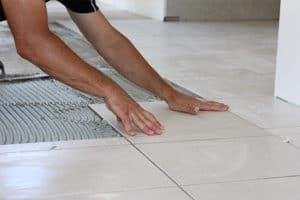
In my years of performing bathroom tile installation in Maryland, I’ve seen what holds up — and what doesn’t. I’ve pulled up warped laminate, peeled back bubbling vinyl, and watched homeowners shake their heads wondering why they didn’t just go with tile the first time.
That’s exactly why I’m writing this article. I want to give you the honest, experience-backed information you need to make the right choice for your home.
By the time you finish reading, you’ll understand five concrete reasons why tile outperforms every other flooring option in a bathroom — including durability, water resistance, longevity, maintenance, design flexibility, and long-term value. Other flooring materials have their place in a home, but the bathroom? That’s where tile doesn’t just compete — it wins.
What Makes Bathroom Flooring So Uniquely Challenging?

Most homeowners don’t realize just how punishing a bathroom environment actually is for flooring materials.
Think about it: daily showers create steam and humidity, water splashes regularly hit the floor, temperature swings happen multiple times a day, and the space sees constant foot traffic. That combination is brutal on flooring materials that weren’t specifically designed to handle it.
I’ve seen laminate floors in bathrooms start showing damage within two or three years. Edges lift, surfaces swell, and moisture sneaks underneath where you can’t even see it until the damage is already significant.
Why is tile better for bathroom floors? Tile — especially porcelain — is one of the only flooring materials that is genuinely engineered to thrive in wet, humid, high-traffic conditions. It doesn’t swell, warp, or absorb moisture the way wood-based and vinyl products do. With professional tile installation in MD, those natural advantages are amplified through proper waterproofing, substrate prep, and grouting techniques that create a surface that can truly stand up to bathroom conditions for decades.
Reason #1: Tile Offers Long-Lasting Durability Compared to Vinyl and Laminate

How Does Tile Compare to Vinyl and Laminate in Terms of Hardness?
When it comes to raw material strength, tile isn’t even in the same category as vinyl or laminate. Porcelain tile, for example, is one of the hardest flooring materials available — fired at extreme temperatures to create a surface that resists scratching, denting, and surface wear that would visibly damage vinyl or laminate within just a few years.
I’ve walked into bathrooms with laminate floors that looked fine from a distance but had visible wear patterns, scuff marks, and lifting edges near the toilet and shower — all within five years of installation. That simply doesn’t happen with properly installed tile.
Ceramic and porcelain tiles are actually rated for high-traffic commercial environments. Using them in a residential bathroom means you’re bringing that same industrial-level durability into your home.
As a tile contractor in Maryland, one of the first things I do when helping a homeowner choose materials is match the tile’s durability rating to their lifestyle. A busy family bathroom needs different specifications than a guest bath that sees minimal use — and that’s a conversation worth having with someone who knows the product.
How long does bathroom tile last compared to vinyl?
-
Porcelain or ceramic tile: 30–50+ years with proper installation and basic maintenance
-
Vinyl flooring: Typically 10–15 years before noticeable wear, lifting, or replacement is needed
-
Laminate in bathrooms: Often 5–10 years before moisture damage requires replacement
Does Tile Crack Easily? Here’s What I Tell Every Homeowner
This is the number one concern I hear from homeowners, and I completely understand why. Nobody wants to invest in new flooring only to end up with cracked tiles.
Here’s the honest answer: cracking is almost always an installation problem, not a tile problem. It happens when the subfloor isn’t properly prepared, when expansion joints are skipped, or when the wrong adhesive is used for the application.
When tile is installed correctly by a local tile installer in MD who understands substrate requirements and proper technique, cracking is extremely rare. I’ve seen correctly installed bathroom tile floors last 40 or 50 years without a single crack. The tile itself isn’t fragile — it just needs a solid, properly prepared foundation to perform the way it’s designed to.
Reason #2: No Other Flooring Material Handles Water Like Tile Does

Is Tile or Vinyl More Water Resistant for Bathrooms?
This is one of the most important questions you can ask, and the answer matters a lot more than most people realize.
Porcelain tile has a water absorption rate of less than 0.5% — making it virtually impermeable to moisture. Ceramic tile is slightly more porous but still highly water-resistant when properly sealed. Vinyl and laminate, on the other hand, can absorb water at their seams and edges, even when the planks themselves are marketed as waterproof.
I’ve removed laminate bathroom floors where the surface looked completely intact, but the subfloor underneath was soft, damaged, and growing mold. The laminate planks had absorbed water slowly through the seams over time, and the damage wasn’t visible until it became a serious structural problem.
Tile, when installed with proper waterproofing membranes and sealed grout, creates a genuine moisture barrier from the surface all the way down. That’s especially critical around showers, tub surrounds, and the base of toilets — the areas where water exposure is most frequent and most damaging. Our tile installation services in Maryland always include proper waterproofing as a core part of the process, not an afterthought.
What About Luxury Vinyl Plank — Isn’t That Waterproof Too?
I get this question all the time, and it’s a fair one. Luxury vinyl plank has been heavily marketed as a waterproof flooring option, and that marketing has been very effective.
Here’s the distinction most homeowners don’t realize: the LVP plank itself may be water-resistant, but the seams between planks and the subfloor beneath them are not. Steam from showers, standing water from a dripping tub, or even humidity over time can work its way into those seams and underneath the flooring without you ever seeing it happening.
By the time water damage under LVP becomes visible — through soft spots, buckling, or odor — it’s often already caused significant subfloor damage that requires a more expensive repair. Tile, installed correctly, doesn’t have that vulnerability. It is genuinely waterproof from the surface to the substrate when the job is done right.
Reason #3: Tile Lasts Decades Longer Than the Competition

How Does Long-Term Tile Value Compare to Replacing Vinyl Every Decade?
Longevity is one of the most compelling financial arguments for choosing tile, and it’s one I make regularly when talking to homeowners who are focused on upfront cost comparisons.
I’ve walked into historic Maryland homes that still have their original tile floors — installed 60, 70, even 80 years ago — and those floors are still functional and beautiful. You simply cannot say that about vinyl or laminate, which typically need replacing every 10–15 years in bathroom environments.
Think about that over a 30-year period. You might replace vinyl flooring two or three times — each time paying for materials, labor, disposal, and living through the disruption of a renovation. Every one of those replacement cycles costs money that a quality tile floor would have saved you.
Working with a Maryland tile installation company means investing in a floor that you install once and enjoy for the long haul. The upfront investment is higher, but the lifetime cost is significantly lower — and that’s before you factor in the value tile adds to your home when it comes time to sell.
Reason #4: Tile Is Easier to Maintain Than You Probably Think

Is Bathroom Tile Hard to Keep Clean?
One of the biggest myths I encounter as a tile installer in Maryland is that tile is difficult or time-consuming to maintain. In my experience, the opposite is true.
Tile doesn’t absorb odors. It doesn’t stain the way carpet or porous vinyl can. It resists bacterial growth on its surface, and it wipes clean quickly with a standard mop and pH-neutral cleaner. Compared to dealing with stained or warped vinyl, tile maintenance is genuinely simple.
Yes, grout requires some attention — but we’re talking about sealing it once every one to two years, not a major undertaking. A quick application of grout sealer takes less than an hour and protects your investment significantly. When tile installation in Maryland is done with quality grout and proper sealing from day one, ongoing maintenance becomes even easier.
What’s the Easiest Way to Keep Bathroom Tile Clean?
-
Sweep or dry mop regularly to prevent grit and debris from scratching the tile surface over time.
-
Mop with a pH-neutral cleaner — avoid anything acidic or bleach-heavy, which can degrade grout over time.
-
Seal your grout every 1–2 years to prevent staining and moisture infiltration between tiles.
-
Address standing water quickly — especially near the shower or tub base — to keep grout lines looking fresh.
-
Avoid abrasive scrubbing pads on polished or glazed tile, which can dull the surface finish over years of use.
That’s genuinely all it takes to keep a properly installed tile floor looking great for decades.
Reason #5: No Other Flooring Gives You This Much Design Freedom

Can Tile Work in Any Bathroom Style or Size?
Absolutely — and this is one of the aspects of tile I genuinely love talking about with homeowners.
The design possibilities with tile are almost unlimited. We’re talking about hundreds of sizes, shapes, textures, finishes, colors, and patterns. From sleek large-format porcelain slabs to classic subway tile, from natural stone looks to bold geometric mosaics — tile can achieve virtually any aesthetic a homeowner envisions.
Large-format tiles — 24×24 or larger — are particularly effective in smaller bathrooms because fewer grout lines create a cleaner, more open visual effect that makes the space feel bigger. Creative layouts like herringbone, basketweave, or offset brick patterns add visual interest without requiring a complete design overhaul.
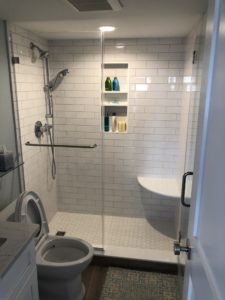
Tile is the only flooring option that seamlessly extends into shower walls, tub surrounds, and decorative accents — creating a cohesive, intentional look throughout the entire bathroom. As part of our bathroom tile installation work in Maryland, we regularly help homeowners design full bathroom environments where the floor, shower, and accents all work together beautifully.
Tile vs. Vinyl vs. Laminate: The Side-by-Side Comparison You Actually Need
| Feature | Tile | Vinyl / LVP | Laminate |
|---|---|---|---|
| Water Resistance | Excellent – virtually waterproof when properly installed | Water-resistant – seams and edges can fail | Poor – prone to swelling and damage from moisture |
| Lifespan | 30–50+ years | 10–15 years | 5–10 years (less in wet areas) |
| Durability | Extremely durable – handles heavy traffic | Moderate – can dent or peel | Low – easily damaged by moisture and wear |
| Maintenance | Low – occasional grout sealing | Low to moderate | Moderate – moisture damage is difficult to repair |
| Design Flexibility | Extensive – endless sizes, patterns, textures | Limited compared to tile | Limited styles and finishes |
| Long-Term Value | High – adds resale appeal | Moderate to low | Low |
| Best for Bathrooms | ✔ Ideal choice | ✔ Acceptable with precautions | ✖ Not recommended |
Ready to Make the Right Choice for Your Maryland Bathroom?
After years of working as a professional tile installer, I can tell you with confidence: when it comes to bathroom flooring, tile is the clear winner — every time.
It’s more durable than vinyl and laminate. It handles water better than any other residential flooring material. It lasts decades longer, requires less maintenance than most people expect, and gives you a level of design flexibility that no other product can match. And when you factor in long-term value, tile isn’t just the best choice — it’s the smart financial choice.
If you’re planning a bathroom remodel in Maryland and want to get it right the first time, I’d love to talk through your project. At Tile Mechanics Corp, we specialize in professional tile installation throughout Maryland — from full bathroom renovations to custom shower and floor designs. We bring the expertise, the craftsmanship, and the attention to detail that makes the difference between a floor that lasts five years and one that lasts fifty.
Don’t replace your bathroom floor twice. Let’s do it right the first time. Contact Tile Mechanics Corp today to request your free consultation and find out what the right tile solution looks like for your home.