The Power of Pattern: How Creative Tile Layouts Can Transform Any Room in Your Home
If you’ve ever walked into a room and immediately felt something special about it — something you couldn’t quite put your finger on — there’s a good chance the tile layout had everything to do with it. Creative tile layouts are one of the most powerful and underused design tools available to homeowners today, and in my years of working with clients across Maryland and Delaware, I’ve seen firsthand how the right pattern can completely change the energy of a space.
Most people focus on tile color or material when planning a renovation. But here’s what I tell every client I work with: the layout is just as important as the tile itself. Sometimes it’s even more important.
In this article, I’m going to walk you through some of the most inspiring and effective tile layout ideas out there — from timeless herringbone to bold diagonal and mixed-format designs. By the end, you’ll have a clear picture of how pattern choice can add depth, movement, and personality to your floors and walls in ways that paint and furniture simply can’t.
Why Tile Layout Matters More Than Most Homeowners Realize

Here’s something that surprises a lot of people: two rooms can use the exact same tile and look completely different based solely on how that tile is installed.
A standard straight-lay grid pattern reads as clean and simple. That same tile installed in a herringbone pattern suddenly feels dynamic and intentional. The tile didn’t change — the layout did.
In my experience working on homes throughout Maryland and Delaware, layout decisions are often made last-minute or defaulted to whatever seems “easiest.” That’s a missed opportunity, and I want to help you avoid it.
The Visual Impact of Pattern on Room Perception
Tile patterns have a real effect on how we perceive space. Diagonal layouts can make a small room feel larger. Vertical stacked patterns can make ceilings feel taller. Horizontal brick-lay patterns can make a narrow hallway feel wider.
These aren’t just design theories — they’re practical tools I use on every project. Understanding them means you can make smarter decisions about your renovation before a single tile is set.
Classic Tile Layouts That Never Go Out of Style

Before we get into the bold and unexpected, let’s talk about the patterns that have stood the test of time. These layouts remain popular because they work — in almost every space, with almost every tile.
Herringbone: The Layout That Does Everything Right
Herringbone is probably the tile layout I get asked about most often. It’s been around for centuries, and yet it never feels dated. The interlocking V-shaped pattern creates a sense of movement and sophistication that’s hard to beat.
I love recommending herringbone for bathroom floors, kitchen backsplashes, and entryways. It adds visual interest without overwhelming the space. In Maryland and Delaware homes, where traditional and transitional styles are incredibly popular, herringbone fits right in.
One thing I always point out to clients: herringbone requires more precise cutting and installation than a straight lay, so make sure you’re working with an experienced tile installer who knows what they’re doing.
Chevron: Herringbone’s Bold Cousin
Chevron is often confused with herringbone, but they’re different. In a chevron pattern, the tiles are cut at an angle so the points of the V align perfectly, creating a continuous zigzag. It’s a sharper, more graphic look.
Chevron works beautifully on feature walls and shower surrounds. It draws the eye and creates a real focal point. If you want a layout that makes a bold statement without using an unusual tile, chevron is the way to go.
The Classic Brick Lay (Offset Pattern)
The offset or brick-lay pattern is one of the most versatile layouts I work with. Each row of tile is offset by half a tile length, mimicking the look of a brick wall.
It’s simple, clean, and timeless. I use it frequently in kitchen backsplashes and bathroom walls throughout Delaware and Maryland. The beauty of this pattern is that it works with almost any tile shape or size, from subway tiles to large-format rectangles.
Bold and Unexpected Tile Layouts Worth Considering

Now let’s get into the layouts that really push design forward. These are the patterns that make people stop and say, “Wow, what is that?”
Why Diagonal Tile Layouts Are Having a Major Moment
Diagonal installation — setting square tiles at a 45-degree angle to the wall — is one of my favorite recommendations for smaller rooms. It’s a surprisingly effective trick.
By rotating the tile, you break up the predictable grid and create diagonal lines that lead the eye across the room. This makes the space feel larger and more dynamic. I’ve seen this transform cramped bathrooms in older Maryland and Delaware homes into spaces that feel much more open than their square footage suggests.
The tradeoff is more cutting and potential for additional waste material, but in my professional opinion, the visual payoff is absolutely worth it.
Mixed-Format Tile Designs: Breaking the Rules in the Best Way
One of the most exciting trends I’ve been working with lately is mixed-format tile layouts — combining tiles of different sizes within the same installation. Think large-format tiles paired with smaller mosaic inserts, or rectangular and square tiles arranged in a deliberate pattern.
This approach adds a level of customization and artistry that standard single-format layouts just can’t achieve. It’s a great way to create something that feels truly one-of-a-kind.
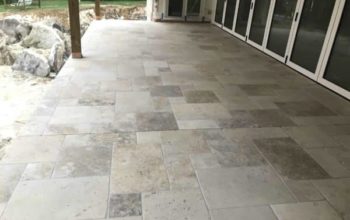
I’ve used mixed-format designs in kitchen floors, bathroom feature walls, and outdoor patios across Maryland and Delaware with beautiful results. The key is having a clear plan before you start — mixing formats without intention can look chaotic rather than creative.
Versailles Pattern: Old-World Elegance for Modern Homes
The Versailles pattern uses four different tile sizes arranged in a repeating geometric layout. It’s inspired by the floors of French palaces, and it brings a sense of grandeur and history to any space.
This is a popular choice for larger rooms, entryways, and outdoor living areas. In the Maryland and Delaware region, where many homes have a classic or traditional aesthetic, the Versailles pattern fits beautifully.
It’s also one of the more technically demanding layouts to install, which is why professional installation is essential.
Pinwheel and Windmill Patterns for Charming Detail
The pinwheel (or windmill) pattern combines a large square tile surrounded by smaller square tiles, creating a rotating, almost geometric floral effect. It’s playful without being childish, and it works in both traditional and contemporary spaces.
I’ve installed this pattern in laundry rooms, mudrooms, and powder rooms where clients want something special but not overwhelming. It’s a great way to add character to a smaller, often overlooked space.
How to Choose the Right Tile Layout for Your Space

With so many options, the question I get most often is: How do I know which layout is right for my room?
Here’s how I approach it with every client.
Consider the Size and Shape of the Room
Smaller rooms benefit from diagonal layouts and smaller-scale patterns that create visual movement. Larger rooms can handle bolder, more dramatic layouts like Versailles or mixed-format designs without feeling busy.
Long, narrow spaces — like hallways — respond well to patterns that create horizontal movement, like a running bond brick lay. This visually widens the space.
Think About the Overall Style of Your Home
The tile layout should complement your home’s existing design language. Traditional Maryland and Delaware homes often look best with classic herringbone, brick lay, or Versailles patterns. More contemporary or modern spaces can handle geometric, mixed-format, or bold diagonal layouts.
I always say: the layout should feel like it belongs in the space, not like it’s fighting with everything else around it.
Match the Layout to the Tile Format
Not every layout works with every tile. Herringbone looks stunning with long, narrow subway tiles. Chevron requires specifically cut tiles to achieve the clean point alignment. Large-format tiles don’t work well in detailed geometric patterns.
Understanding the relationship between tile format and layout pattern is something I’ve developed a strong instinct for over the years. It’s one of the most important factors in getting the final result right.
Don’t Forget the Grout Lines
Grout color and width have a massive impact on how a layout reads. Wide grout lines emphasize the pattern; thin grout lines create a more seamless, subtle effect.
In my experience, homeowners in Maryland and Delaware often underestimate how much grout choice affects the final look. It’s worth spending time on this decision — it can make or break even the most beautiful layout.
Tile Layouts for Specific Rooms: What Works Best Where

Let me break down my go-to layout recommendations by room type, based on what I’ve seen work best in real homes.
Kitchen Floors and Backsplashes
For kitchen floors, diagonal layouts and herringbone patterns work exceptionally well. They’re practical — the angled lines help hide dirt and imperfections — and they add personality to a high-traffic space.
For backsplashes, the brick-lay and herringbone patterns are consistently my top recommendations. They add texture and movement behind the stove or sink without competing with cabinetry.
Bathroom Floors and Shower Walls
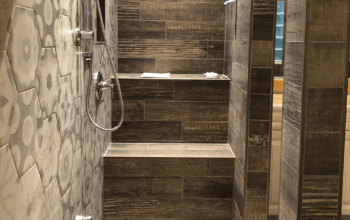
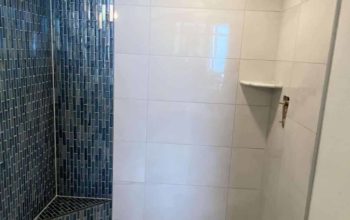
Bathrooms are where creative tile layouts really shine. I love using herringbone or chevron on shower floors for a luxurious, spa-like feel. For shower walls, vertical stacked patterns draw the eye upward and make the space feel taller.
On bathroom floors, diagonal installation is one of my favorite tricks to make a small bathroom feel noticeably larger. It’s a simple change with a dramatic effect.
Entryways and Mudrooms
The entryway is the first impression of your home, and it deserves a layout that makes an impact. Versailles patterns, pinwheel designs, and bold diagonal layouts all work beautifully in entry spaces.
In Maryland and Delaware, where we deal with four distinct seasons and a lot of muddy feet, durable tile is already a smart choice for entryways. A creative layout makes it exceptional.
Living Areas and Open Floor Plans
Large open spaces give you the freedom to go bold with layout. Mixed-format designs and Versailles patterns work particularly well here because the room is large enough to showcase the full repeat of the pattern.
I’ve worked on several open-concept renovations in Delaware and Maryland where a distinctive floor tile layout became the defining design feature of the entire main living area. It’s one of the most impactful changes you can make to a large space.
Common Mistakes to Avoid When Planning a Tile Layout
I’ve seen some costly mistakes over the years, and I want to help you avoid them.
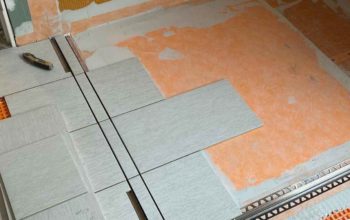
Not planning the layout before installation begins. Always map out the pattern on paper — or better yet, have your installer dry-lay the tiles before setting them. You need to see how the pattern starts and ends at the walls.
Ignoring the room’s focal point. The layout should start from the visual center of the room or a key focal point, not from a random corner. Getting this wrong throws off the entire pattern.
Choosing a complex layout for a DIY project. I’m all for homeowners tackling certain projects themselves, but complex tile layouts like Versailles, herringbone, and chevron require professional skill to execute properly. The cuts need to be precise, and the setting needs to be perfectly level.
Underestimating material waste. Angled and complex cuts mean more wasted tile. Always order more material than you think you need — typically 10-15% extra for standard layouts and up to 20% for diagonal or complex patterns.
The Right Layout Can Change Everything
Creative tile layouts are one of the most powerful tools in home design, and they’re available to every homeowner willing to think beyond the standard grid.
Whether you’re drawn to the timeless elegance of herringbone, the bold statement of a diagonal layout, the grandeur of a Versailles pattern, or the artistry of a mixed-format design, the right pattern choice can completely transform your space — adding depth, movement, and personality that lasts for decades.
In my work with homeowners across Maryland and Delaware, I’ve seen how the right tile layout can take a renovation from good to genuinely extraordinary. It’s not about spending more — it’s about choosing smarter.
If you’re ready to explore creative tile layouts for your next renovation project, I’d love to help. At Tile Mechanics Corp, we specialize in expert tile installation across Maryland and Delaware, and we bring the experience, craftsmanship, and design knowledge needed to get your layout exactly right.
Contact Tile Mechanics Corp today for a consultation. Let’s talk about your space, your style, and how the right tile layout can make it something you’ll love for years to come.