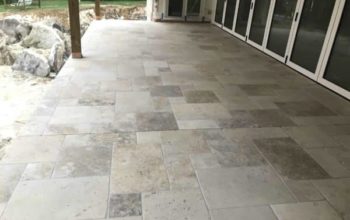
Why Tile Damage Is More Serious Than It Looks on the Surface

It’s Almost Never Just a Cosmetic Problem
Here’s something most homeowners don’t realize: a cracked or loose tile is rarely just about appearance. It’s usually a symptom of something happening underneath — moisture intrusion, subfloor movement, or a failed installation.
Water is the silent enemy in these situations. It finds every gap, every hairline crack, and every compromised grout line, then works its way under the tile where you can’t see it.
Why is tile damage serious?
Tile damage is serious because it rarely stays contained to the surface. Once the protective barrier of tile and grout is compromised, water can penetrate into the substrate, leading to mold growth, structural deterioration, and repair costs that are significantly higher than the original problem.
According to water damage restoration professionals, addressing moisture issues early can reduce the overall scope of repairs by up to 70%. That’s not a small margin — that’s the difference between replacing a few tiles and replacing an entire floor.
Living on the Delmarva Peninsula adds another layer of complexity. The region’s coastal humidity, seasonal temperature swings, and damp winters accelerate tile deterioration faster than many homeowners expect. I’ve handled tile repair across Delmarva for years, and I can confirm that the local climate genuinely speeds up wear — especially in homes without proper ventilation or waterproofing.
What Are the Most Common Warning Signs of Tile Damage?

Here’s What I Look for First on Every Job Site
Knowing what to look for is half the battle. In my experience, tile problems announce themselves well before they become catastrophic — you just have to know what the warning signs are.
The most common signs of tile damage include:
- Cracked or chipped tiles — Even a small crack can allow water to penetrate beneath the surface
- Tiles that sound hollow when tapped — This tells me the adhesive bond has failed and the tile is no longer properly attached
- Crumbling or missing grout — One of the earliest and most overlooked warning signs I see in the field
- Discolored or stained grout lines — Often indicates moisture is already moving where it shouldn’t be
- Tiles that feel soft or spongy underfoot — A sign the substrate beneath may already be compromised
- Musty or damp odors — A strong indicator of moisture intrusion and potential mold growth
- Tiles that have shifted or popped up — Usually caused by subfloor movement or failed adhesive
The tap test is something I do on every single job. I use my knuckle or a coin and tap across the surface of the tile. A solid sound means a good bond. A hollow knock means the tile has separated from the substrate — and that needs attention quickly.
Floor tile installation areas like entryways, hallways, and kitchens are especially prone to early wear in Delmarva homes because of heavy foot traffic combined with humidity coming in from outside. I always pay extra attention to those zones during inspections.
How Bathroom Tile Damage Can Escalate Into a Major Problem Fast

Why Your Bathroom Is the Highest-Risk Area in Your Home
Of all the rooms I work in, bathrooms are where I see damage escalate the fastest. The combination of constant steam, standing water, and temperature changes creates an aggressive environment for tile and grout.
A single compromised grout line in a shower can allow water to seep into the wall cavity within a matter of weeks. From there, the moisture feeds mold growth inside the wall — an issue that’s far more expensive and disruptive to fix than re-grouting a shower.
How does bathroom tile damage cause mold?
When grout cracks or tiles loosen in a bathroom, water bypasses the waterproof barrier and soaks into the wall substrate or subfloor. That damp environment becomes a breeding ground for mold, which can spread behind walls and under floors before it’s ever visible from the surface.
In my work at Tile Mechanics Corp, I’ve opened walls during what looked like simple bathroom tile jobs and found significant mold growth that the homeowner had no idea was there. The original issue was a handful of loose tiles — the actual repair became much more involved.
Routine inspection of bathroom tile around tubs, showers, and toilets is something I encourage every Delmarva homeowner to do at least twice a year. Proper bathroom tile installation in Delmarva isn’t just about aesthetics — it’s about creating a watertight system that protects your walls, floors, and home structure for the long term.
Why Kitchen Tile Deserves Just as Much Attention as Your Bathroom

Don’t Overlook the Room You Use Most
Kitchens take a different kind of beating than bathrooms, but the damage can be just as serious. Grease, heat fluctuations, spills, and constant foot traffic all work together to wear down tile and grout faster than most people expect.
One of the things I check closely in kitchens is the backsplash behind appliances and along the sink. Tiles in those areas can loosen over time without being immediately obvious — especially if a range hood or large appliance is blocking the view.
Floor tiles in kitchens are also vulnerable to hairline cracks from dropped heavy objects or natural subfloor movement. Those cracks may seem minor, but they’re entry points for moisture and debris that accelerate deterioration.
Proper kitchen tile installation in Delmarva matters enormously here. When tile isn’t installed correctly from the start — wrong adhesive, improper substrate prep, inadequate grout joints — it wears out faster and becomes more vulnerable to the kind of damage I’m describing. I’ve seen kitchens where the tile was only a few years old but looked like it had been down for decades, simply because the installation wasn’t done right.
The Truth About Grout: Why It’s the First Thing I Always Inspect
Grout Failure Is the Warning Shot Most Homeowners Miss
If I had to pick one thing that homeowners consistently underestimate, it’s grout. Most people think of it as filler — the stuff between the tiles. In reality, grout is the protective barrier that holds the entire tile system together.
When grout fails, water gets in. When water gets in, the substrate is compromised. When the substrate is compromised, the tiles start to loosen, crack, and eventually fail.
The visual signs of failing grout are worth memorizing: discoloration that doesn’t clean up, crumbling or sandy edges, visible gaps between tiles, and a soft texture when you press it with your fingernail. Any one of these is a reason to take action.
Delmarva’s regional humidity levels are particularly hard on unsealed or aging grout. I’ve worked on homes across the peninsula where the grout had simply never been properly sealed after installation — and in this climate, that’s a recipe for premature failure.
The good news is that not every grout problem means replacing the tile. Sometimes a targeted grout repair is all that’s needed. Other times, if the damage is widespread, a full re-grout or tile replacement is the smarter long-term solution. I’d always recommend having a local tile contractor in Delmarva assess the situation before assuming the worst — or the best.
How to Do a Basic Tile Inspection Yourself Between Professional Visits

What Tools Do You Need for a Simple Home Tile Check?
You don’t need specialized equipment to do a basic tile inspection. A flashlight, a coin or your knuckle for the tap test, and a sharp eye are all you need to get started.
Walk through each room methodically. Look for visible cracks, chips, or grout gaps. Get low to the floor and use your flashlight at an angle to spot surface irregularities that aren’t obvious in normal lighting.
It’s important to understand what you can realistically identify at home versus what requires a trained eye. You can spot visible damage and flag concerning areas — but diagnosing what’s happening beneath the surface, assessing the substrate, or evaluating waterproofing integrity is work for a professional tile installer in Delmarva.
What Should You Do If You Find a Problem?
How do I inspect my tile for damage? Here’s a simple step-by-step:
- Look — Scan the entire surface for visible cracks, chips, staining, or grout gaps
- Tap — Use a coin or knuckle to tap each tile; hollow sounds indicate a failed bond
- Press — Gently press tiles to check for movement or flex
- Smell — A musty odor near tile surfaces is a red flag for moisture intrusion
- Document — Photograph any damage you find and note when you first observed it
If you find something, don’t wait on it. A single cracked tile or a small grout gap might feel like a minor issue, but in Delmarva’s climate, it can progress quickly. Reach out to a professional tile installer in Delmarva and describe what you’re seeing — most experienced tile installers can give you a sense of urgency based on your description before even arriving on site.
Why Hiring a Local Tile Contractor in Delmarva Makes All the Difference
Local Knowledge Isn’t a Bonus — It’s a Necessity
Working with someone who understands Delmarva’s specific climate, soil conditions, and building characteristics matters more than most homeowners realize. A local tile contractor in Delmarva isn’t just geographically convenient — they bring region-specific expertise that directly affects the quality and longevity of the work.
At Tile Mechanics Corp, we know which materials perform best in coastal humidity, how seasonal temperature swings affect different substrates, and what installation methods hold up in the long run here on the peninsula. That knowledge shapes every decision we make on a job.
A professional tile installation company also brings the right tools, the right materials, and the diagnostic experience that DIY repairs simply can’t replicate. More importantly, a local tile contractor in Delmarva will be accountable to their community — that’s a standard we take seriously at Tile Mechanics Corp.
Calling a tile contractor in Delmarva early — before damage spreads — is almost always more cost-effective than waiting. I’ve seen situations where a prompt call saved a homeowner from what would have been a far more disruptive and expensive project.
How Professional Tile Repair Stops Small Problems From Becoming Big Ones

What a Real Tile Repair Actually Looks Like
When I arrive for a tile repair in Delmarva, my first step is never just removing the damaged tile. I assess the full picture — what caused the failure, whether the substrate is sound, and whether surrounding tiles are at risk.
Proper professional repair involves removing the damaged tile carefully, inspecting the substrate underneath, addressing any moisture or structural issues found, and reinstalling with the correct materials and technique. Skipping any one of those steps means the problem is likely to return.
This is where DIY repairs often fall short. Patching over a cracked tile or re-grouting without investigating what caused the failure in the first place doesn’t solve the problem — it just delays it. And by the time the issue resurfaces, it’s usually larger.
At Tile Mechanics Corp, we always evaluate beyond the visible damage during tile installation or repair work in Delmarva. A thorough repair done right the first time protects your home far more effectively than a quick cosmetic fix.
When Is It Time to Consider a Full Tile Replacement Instead of Repair?
Repair vs. Replacement: How to Make the Right Call
There are clear indicators that tell me a repair is no longer the right answer. Widespread cracking across multiple tiles, several loose or popped tiles in a concentrated area, visible subfloor damage, or an outdated installation that’s simply past its useful life — these all point toward replacement.
A professional assessment is the most reliable way to make that determination. I always walk homeowners through what I’m finding and explain the reasoning behind my recommendation so they feel informed and confident in the decision.
Modern tile materials and installation methods have improved significantly, and they’re better suited to Delmarva’s climate than many older products. When floor tile installation in Delmarva is done right with current materials and methods, the results are more durable and longer-lasting.
Sometimes a full replacement handled correctly by a tile installation company in Delmarva is genuinely more economical in the long run than repeated patch repairs that never fully address the underlying issue. At Tile Mechanics Corp, we make sure every homeowner understands their options clearly before any work begins.
Don’t Wait Until Small Tile Problems Become Expensive Ones
The theme running through everything I’ve shared in this article is simple: early action saves you time, money, and stress. Whether it’s a cracked tile, deteriorating grout, or a hollow sound underfoot, these signs are your home telling you something needs attention.
As experienced tile contractors serving the Delmarva area, the team at Tile Mechanics Corp has seen what happens when small issues are addressed promptly — and what happens when they’re not. The difference is significant, and it’s almost always in the homeowner’s favor when they act early.
If you’ve noticed any of the warning signs I’ve described, or if you simply haven’t had your tile inspected in a while, I’d encourage you to reach out to us. At Tile Mechanics Corp, we specialize in tile installation across Delmarva, from bathrooms and kitchens to floors and beyond. We’ll assess what you’re dealing with, explain your options clearly, and help you protect your home the right way.
Don’t let a small problem become a big one.Contact Tile Mechanics Corp today to schedule an inspection with a professional tile contractor serving the Delmarva Peninsula.