Are you having trouble figuring out which tile to choose? The ceramic vs. porcelain tiles debate can be confusing, especially since they share so many similarities. Both come in an array of colors, are easy to maintain in day-to-day life, and offer lasting durability. So, what’s the real difference between the two? It often comes down to where you plan to use the tile in your home.
In this post, we’ll break down the key differences between ceramic and porcelain tiles, including appearance, durability, cost, maintenance, and best uses, so you can decide which tile type fits your space, lifestyle, and budget.
Style, Patterns & Colors
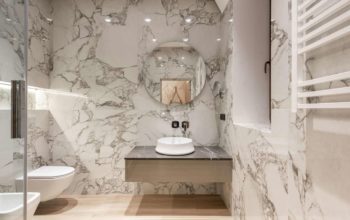
Both of these materials offer a wide range of colors and patterns. It would be hard not to find something to match the style you’re looking for with either of these choices. However, if you’re looking for more natural finishes, such as wood or marble, porcelain is what you want to focus on. The pattern is so real that you might even forget it’s a tile at all. Unfortunately, ceramic just can’t match up to porcelain when it comes to realistic patterns.
- Available in various colors and patterns
- Porcelain is ideal for natural looks, like wood or marble
- Ceramic offers great style but falls short in realistic finishes
- Both can match a wide variety of interior design themes
Easy to Maintain
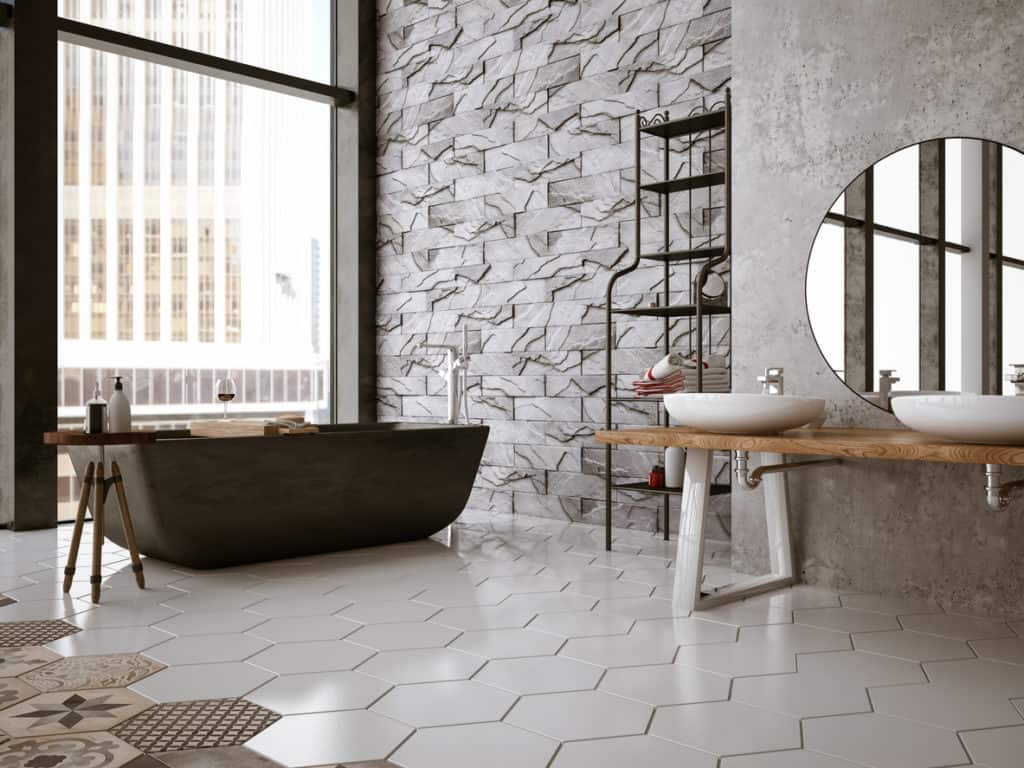
For this point, there’s no comparison. Both porcelain and ceramic are extremely easy to maintain. Neither tile material will stain or retain odors; plus, dirt and spills can be wiped up in a breeze. Your tiles will keep their like-new look for a lengthy period of time.
- Simple cleaning with a broom, mop, or damp cloth
- Does not trap odors or hold stains
- Perfect for busy homes, bathrooms, or kitchens
- Long-lasting appearance with minimal effort
Durability
While both can last with the proper maintenance, porcelain has the edge. It’s made with a finer, denser clay that can be baked at a higher temperature. This makes the tiles stronger and can last longer without the fear of scratches or chips. The color is added in the beginning and mixed in where ceramic tiles have color on the surface.
- Porcelain is stronger due to higher temperature firing
- Less prone to chips and cracks
- Color runs throughout the tile, not just on the surface
- Ceramic is durable, but better for lighter-use areas
Cost Comparison
The cost of the tiles is different. Ceramic is great for those working within a tight budget, but the tiles won’t last as long. Porcelain tiles are a little more expensive, but overall, you’ll be saving money because they will last longer than ceramic tiles. It comes down to what you’re using the tile for and how much you have to spend.
- Ceramic is budget-friendly and ideal for DIY or small spaces
- Porcelain costs more upfront but is longer-lasting
- Consider the purpose and room traffic before deciding
- Long-term savings may favor porcelain due to its durability
Quick Comparison: Ceramic vs. Porcelain Tiles
| Feature | Ceramic Tile | Porcelain Tile |
| Cost | More affordable | Higher upfront cost |
| Durability | Durable, but less dense | Denser, more resistant to wear and tear |
| Water Resistance | Moderate | Excellent – low absorption rate |
| Style Options | Great for color variety and patterns | Realistic wood, stone, and marble looks |
| Installation | Easier to cut and install | Requires special tools; more difficult |
| Best Use | Indoor, light-traffic areas | Indoor/outdoor, high-moisture spaces |
Where to Use Ceramic vs. Porcelain
Depending on your needs, one tile type may be more practical than the other. Here’s how to choose based on your space:
Use ceramic tiles for:
- Backsplashes and accent walls
Powder rooms or guest bathrooms
Bedrooms and other low-traffic floors
Decorative or cost-sensitive projects
Use porcelain tiles for:
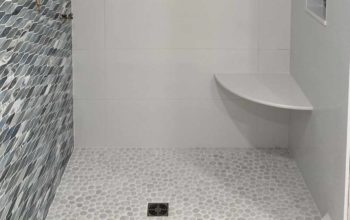
- Bathroom floors and showers
- Kitchens and entryways
- Outdoor patios or porches (especially in humid/rainy areas)
- High-traffic areas like hallways and living rooms
Water Resistance & Slip Safety
One of the biggest differences between ceramic and porcelain tiles is how they respond to water and moisture:
- Porcelain tiles are much less porous, making them ideal for wet environments. They absorb less than 0.5% of water, which helps prevent mold, mildew, and damage over time. Many textured porcelain tiles also offer better slip resistance.
- Ceramic tiles are more porous and may absorb more moisture if not properly sealed. They are better suited for dry or low-moisture indoor areas.
If you’re tiling a bathroom, kitchen, laundry room, or outdoor space, porcelain is usually the safer, longer-lasting choice.
Which Is Easier to Install?
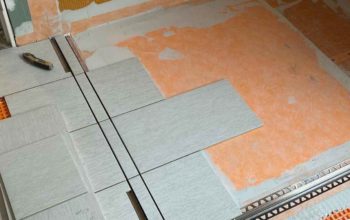
Tile installation can influence your decision, especially if you’re planning a DIY project. The type of tile you choose, ceramic or porcelain, affects how easy or difficult the process will be.
Ceramic Tile Installation:
- Easier to cut with standard tools
- Lighter weight
- Better for first-time DIYers or small projects
Porcelain Tile Installation:
- Denser and harder, requiring a diamond-blade wet saw
- Heavier and more brittle during cutting
- Typically, best left to professionals for precision work
If you’re hiring a contractor, porcelain is no issue. But if you plan to install the tiles yourself, ceramic might save time and frustration.
Frequently Asked Questions
1. What is the main difference between ceramic and porcelain tiles?
The main difference is density and durability—porcelain tiles are denser, less porous, and more water-resistant than ceramic tiles. Ceramic tiles are more affordable and easier to cut, making them better for low-traffic indoor areas.
2. Which is better for bathrooms and wet areas?
Porcelain is generally the better choice for bathrooms, showers, and other wet areas because it absorbs very little water and resists moisture damage. It also helps reduce the risk of mold and lasts longer in high-humidity spaces.
3. Is porcelain tile worth the higher cost compared to ceramic?
Yes, porcelain tile is often worth the higher upfront cost because it is more durable and lasts longer over time. While ceramic is budget-friendly, porcelain can offer better long-term value in high-use or moisture-prone areas.
Conclusion
Choosing between ceramic and porcelain tiles comes down to your space, budget, and how the area will be used. While both options offer great style and easy maintenance, porcelain tends to be more durable and water-resistant, making it ideal for high-traffic or moisture-prone areas. Ceramic, on the other hand, is a more affordable and beginner-friendly option for lighter-use spaces.
Understanding the key differences in appearance, durability, cost, and installation can help you make a smart decision for your home. If you’re still unsure which tile type is right for your project, don’t hesitate to reach out to a tile professional for guidance tailored to your needs.