Which One Is Right for Your Bathroom?
If you’ve ever stood in your bathroom staring at an outdated tub and wondered whether it’s finally time for a change, you’re not alone. One of the most common questions I get from homeowners across Delmarva is whether they should go with a walk-in shower or keep a tub-shower combo. It’s not a one-size-fits-all answer, and honestly, the right choice depends on your lifestyle, your home’s layout, and what you actually need from your bathroom every single day.
In this article, I’m going to walk you through both options side by side — covering everything from accessibility and space to maintenance, design, cost, and resale value — so you can make the most informed decision possible.
Walk-In Shower vs. Tub-Shower Combo: Understanding the Basics

Before we get into the pros and cons, let me quickly define what we’re comparing here.
A walk-in shower is a standalone shower space — no tub, no curtain rod, just an open or glass-enclosed shower with its own footprint. A tub-shower combo is exactly what it sounds like: a bathtub with a showerhead installed above it, typically enclosed by a curtain or sliding glass door.
Both are legitimate, practical choices. But the differences between them matter a lot when you’re planning a renovation.
How Much Space Do You Actually Have to Work With?
Space is usually the first thing I assess when a homeowner calls me about a bathroom remodel on the Delmarva Peninsula.
Walk-In Showers Are Great for Smaller Bathrooms
Here’s something that surprises a lot of people: a walk-in shower can actually make a small bathroom feel bigger. Because you’re removing the bulky tub footprint and replacing it with a sleek, open shower design, the room visually opens up.
In many older homes throughout Delmarva, bathrooms were built small and tight. Swapping out a tub for a walk-in shower can be a game changer for those spaces.
Tub-Shower Combos Work Well in Standard-Sized Bathrooms
If you have a standard 5-by-8 bathroom — which is extremely common in this region — a tub-shower combo fits naturally into that layout without requiring much structural change.
The tub alcove is already built into most of these floor plans, which means keeping a combo unit is often the path of least resistance. It works with your existing space rather than against it.
Accessibility and Safety: Which Option Works Best as You Age?

This is one of the most important considerations I bring up with every homeowner, especially those thinking long-term about staying in their homes.
Walk-In Showers Are the Clear Winner for Accessibility
Walk-in showers — particularly curbless or low-threshold designs — are significantly easier to use for people with mobility challenges, older adults, or anyone recovering from an injury. There’s no stepping over a tub wall, which is one of the leading causes of bathroom-related injuries.
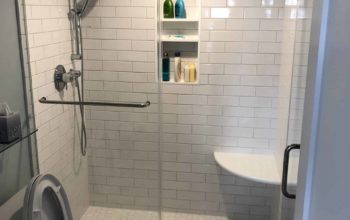
I always recommend homeowners consider where they’ll be in 10 or 20 years. Installing a walk-in shower now, especially with grab bars and a built-in bench, is a smart investment in your future comfort and safety.
Tub-Shower Combos Require More Physical Effort
Getting in and out of a standard bathtub takes more balance and flexibility than most people realize. For families with young children, this isn’t usually an issue — but as we age, that step-over can become a real hazard.
If accessibility is a priority for anyone in your household, the walk-in shower is almost always the better long-term choice.
Maintenance and Cleaning: What Takes Less Work?

Let me be honest with you — nobody enjoys cleaning the bathroom. So when homeowners ask me about maintenance, I give them a real answer.
Walk-In Showers Are Generally Easier to Clean
With a walk-in shower, you’re dealing with a single enclosed space. Modern tile work, large-format tiles, and quality grout make routine cleaning straightforward. There’s no tub basin to scrub, no hard-to-reach corners where soap scum builds up behind a curtain.
That said, glass enclosures do require regular wiping to prevent water spots and soap film from building up — especially with the hard water we sometimes deal with in parts of Delmarva.
Tub-Shower Combos Have More Surfaces to Manage
With a combo unit, you’re cleaning the tub floor, the tub walls, the shower walls above, the curtain or door tracks, and the curtain itself. It adds up.
Grout lines in a tub surround can also trap mold and mildew over time, particularly in bathrooms that don’t get great ventilation. Keeping up with that maintenance is doable, but it does require consistent effort.
Design and Aesthetics: Which Looks Better in a Modern Home?
Design trends have shifted dramatically over the past decade, and I’ve seen this firsthand in the remodels I’ve done across Delmarva.
Walk-In Showers Offer More Design Flexibility
Walk-in showers give you an almost unlimited range of design options. Large-format porcelain tiles, natural stone, custom niches, frameless glass panels, rain showerheads — the possibilities are genuinely exciting.
For homeowners who want a spa-like, high-end look, a walk-in shower is usually the centerpiece of that vision. The clean lines and open design feel contemporary in a way that a tub-shower combo simply can’t replicate.
Tub-Shower Combos Can Still Look Sharp with the Right Finishes
A tub-shower combo doesn’t have to look dated. With fresh tile, updated fixtures, and a frameless glass door, you can give a combo unit a clean and modern appearance.
The limitation is that the tub itself defines the shape and layout of the space. You’re working within those constraints, which can make truly custom design harder to achieve.
Everyday Practicality: Showers vs. Baths in Real Life

Here’s where I get real with homeowners: when was the last time you actually used your bathtub?
Most Adults Shower More Than They Bathe
In my experience working with homeowners throughout Delmarva, the vast majority of adults shower daily and use the bathtub only occasionally — if at all. If that sounds like your household, dedicating a significant portion of your bathroom to a tub you rarely use starts to feel hard to justify.
A walk-in shower optimized for daily use — with great water pressure, the right showerhead, and smart storage built in — can genuinely improve your morning routine.
Families with Young Children Should Think Twice
This is the one scenario where I consistently recommend homeowners pause before removing their tub entirely. Bathing young children is much easier in a tub than a shower, and if you have kids under 10, that bathtub is probably getting used a lot.
If you’re renovating your only full bathroom and you have young children, keeping a tub-shower combo — or at least preserving a tub somewhere in the home — is usually the practical move.
Resale Value: Will Your Choice Help or Hurt When You Sell?
Resale value is a legitimate concern, and I get asked about this constantly.
The General Rule on Tubs and Resale Value
Real estate professionals have long held that having at least one bathtub in a home is important for resale appeal — particularly for families with young children or buyers who specifically want that option. Removing every tub from a home can limit your buyer pool.
However, this “rule” has softened considerably in recent years as walk-in showers have become more desirable and mainstream.
How to Protect Your Resale Value Either Way
The smartest approach I’ve seen is this: if you’re renovating your only full bathroom, keep a tub option somewhere in the home if at all possible. If you have multiple bathrooms, converting one to a luxurious walk-in shower while keeping a tub in another bathroom is often a net positive for resale value.
A beautifully tiled, high-quality walk-in shower can absolutely increase a home’s appeal and market value — especially in a competitive market like we’re seeing across parts of Delmarva right now.
Cost Considerations: What Should You Budget For?
I’m not going to throw out specific price numbers here because renovation costs vary widely depending on the scope of work, materials, and the specifics of your bathroom. But I can give you a general framework.
Walk-In Showers Can Range Widely in Cost
A basic walk-in shower conversion is often comparable in cost to a standard tub-shower retile. However, if you’re going custom — think frameless glass, large-format tile, custom niche work, or structural changes to the floor plan — costs can climb significantly.
That said, you’re investing in a daily-use feature that adds both comfort and visual appeal to one of the most-used rooms in your home.
Tub-Shower Combos Are Often the More Budget-Friendly Starting Point
If you’re keeping your existing tub and simply retiling the surround or upgrading fixtures, a tub-shower refresh is typically less involved than a full shower conversion. You’re working with an existing footprint and structure.
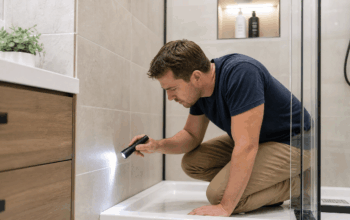
That said, if the tub itself needs to be replaced or repositioned, the cost can increase quickly. It’s always worth getting a professional assessment before assuming the simpler route is automatically cheaper.
Tub-Shower Combo vs. Walk-In Shower: A Quick Side-by-Side Summary
Here’s a quick breakdown to help you compare both options at a glance:
| Feature | Walk-In Shower | Tub-Shower Combo |
| Design Flexibility | High | Moderate |
| Accessibility | Excellent | Limited |
| Maintenance | Easier (when well-designed) | More demanding |
| Space Efficiency | Better for small bathrooms | Requires more floor space |
| Resale Value | Strong in master baths | Important for family homes |
| Cost | Varies (can be higher) | Often more budget-friendly |
| Family Practicality | Limited for young kids | Very practical |
| Relaxation Options | Shower only | Both shower and bath |
So, Which One Should You Choose?
The honest answer is: it depends on your household, your priorities, and your long-term goals.
If you’re an adult household without young children, prioritize accessibility, and want a bathroom that feels modern and spa-like, a walk-in shower is almost certainly the better choice. If you have young kids or you’re in a home with only one full bath and limited alternatives, a well-designed tub-shower combo is still a smart, practical option.
What I always tell homeowners is this: don’t make the decision based on what looks good in a magazine. Make it based on how you actually live in your home right now — and how you want to live in it five or ten years from now.
Let Tile Mechanics Corp Help You Make the Right Call
Choosing between a walk-in shower and a tub-shower combo is a big decision, and it’s one you shouldn’t have to figure out alone. At Tile Mechanics Corp, we’ve helped homeowners across Delmarva navigate exactly this kind of renovation decision — and we bring the expertise, craftsmanship, and honest guidance to make sure you end up with a bathroom you love for years to come.
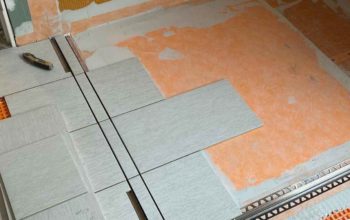
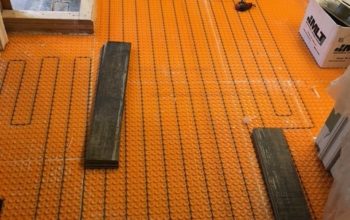
Whether you’re leaning toward a sleek custom walk-in shower or a beautifully refreshed tub-shower combo, we handle every detail — from tile selection and waterproofing to professional installation that’s built to last.
Ready to get started? Reach out to Tile Mechanics Corp today to schedule a consultation. We’ll come out, assess your space, talk through your goals, and give you a clear plan for transforming your bathroom into exactly what you need it to be.